This article is part of our guide: What Is IGP? Tracking, Obedience and Protection Explained.
IGP Obedience: More Than a Dog Following Commands
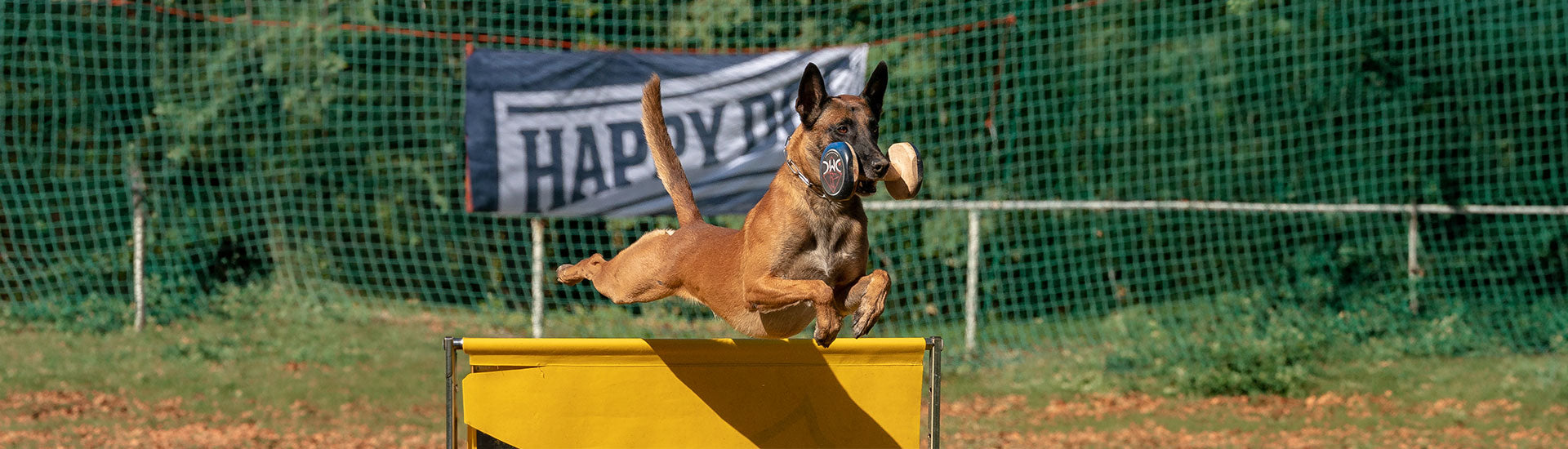
IGP obedience is phase B of the working dog trial. Most people think first of obedience itself: heelwork, sit, down, stand, the recall, the retrieve, the hurdle, the A-frame and the long down.
But good obedience is not simply a matter of the dog listening.
In IGP obedience the dog should work actively, attentively and with motivation. At the same time it has to stay technically clean. It should show energy without becoming hectic. It should stay close to the handler without crowding. And it should take up positions clearly and repeatably, not just approximately.
That is exactly what makes obedience so demanding.
Why Positions Are the Foundation of Obedience
Many obedience problems start small. The dog sits slightly crooked in the basic position. It moves up untidily. It comes too far forward. It orients itself more on body cues than on its actual position.
Early on this often looks harmless. Later it becomes a fixed pattern.
The dog does not simply have a small fault. Over many repetitions it has learned that this position is the correct one. That is exactly why correcting untidy positions later is often far harder than building them cleanly from the start.
Good heelwork therefore does not begin in motion. It begins with an understanding of position, orientation and body control.
What Does Good Heelwork Look Like?
Good heelwork is more than a dog running close to the leg. The dog should actively seek and hold its position. It should work through turns rather than just being pushed round them. It should stay attentive without winding itself up. And it should be able to control its own body axis.
If the dog constantly has to be held in place with handler cues, the position is not yet really understood. If it only looks good in high drive but falls apart technically, stability is missing. If it looks motivated but works crooked, motivation has been confused with quality.
Good obedience therefore needs both: expression and precision.
Why a Position Stick Can Be Useful in the Build-Up
When building the heel position in particular, it helps to give the dog a clear picture. Not by pushing it into place physically, but through orientation it can understand.
The IQ Position Stick was developed specifically for building a precise heel position in dog training. The dog should find a clear position at the leg independently; the focus is on active work, clean timing and a precise reward position. The removable angle can be adapted individually to dog, handler and training goal.
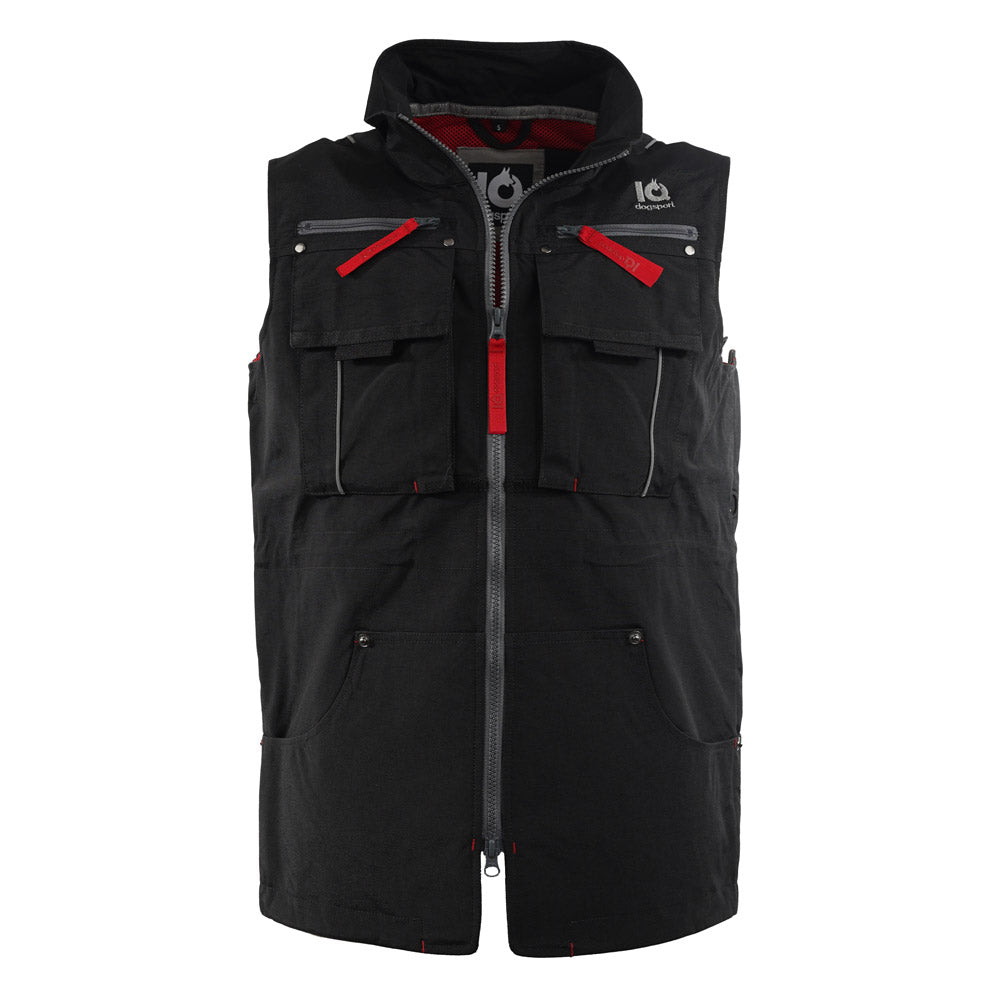
That makes the stick a visual training aid rather than a trick. The dog gets orientation without having to be corrected physically. In basic position work, position training and early heelwork in particular, this can stop faults from developing in the first place. Where the reward comes from is part of a clean position as well: if it is delivered from the centre of your body rather than from a side pocket, the dog orients forward instead of towards the pocket; which vest supports that is covered in dog training vests compared.
Why Full Trial Routines Too Early Can Do Harm
Many handlers train complete routines too early. It feels productive, because you quickly see several exercises in sequence. The dog heels, sits, downs, retrieves and already looks close to trial standard.
The problem is that if the details are not solid, you train the faults along with them.
A crooked basic position, unclear cues, too much dependence on body language or a lack of tension then become part of the chain of exercises. Removing them again later takes considerable effort.
A systematic build-up works better: position first, then movement. Technique first, then duration. Understanding first, then the trial chain.
If you would rather not train IGP obedience by feel alone, the book Gemeinsam erfolgreich zur meisterhaften Unterordnung gives you a structured foundation. It explains the development of every IPO obedience exercise step by step, from puppyhood through to trial preparation, with updated training approaches, practical explanations and extensive photographic material.
Five Common Beginner Mistakes in IGP Obedience
1. Crooked Basic Positions Are Accepted
What is repeatedly rewarded becomes correct in the dog's mind.
2. Motivation Replaces Technique
An active dog does not automatically work cleanly.
3. Training Aids Are Used for Too Long
The dog then follows the aid rather than the actual position.
4. Trial Routines Come Too Early
The dog learns sequences, but not the details.
5. Faults Are Only Taken Seriously Shortly Before the Trial
By then they are usually long since ingrained.
Final Thoughts: Good Obedience Is Precision with Energy
IGP obedience depends on expression, motivation and technical cleanliness. A dog should want to work, but it also has to understand how it is meant to work.
If you build positions and heelwork clearly from early on, you save a great deal of correction work later. The IQ Position Stick can help to give the dog a clean picture of the heel position. The book Gemeinsam erfolgreich zur meisterhaften Unterordnung adds a solid foundation if you want to understand obedience systematically rather than simply practise it.
Related: Training equipment for obedience · Reference books on obedience
More IGP basics
→ Building IGP tracking
→ IGP protection
→ Working dog operations explained
About the manufacturer
IQ Dogsport is a German manufacturer of dog sport equipment, based in Pfaffenhofen, Germany. The range covers dog sport vests, multi-function and training jackets, reward systems and IGP training equipment – in service with K9 handlers in the police, customs service, prison service and armed forces. More about IQ Dogsport